STRENGTH TRAINING & MUSCLE
During Perimenopause and Menopause
Can you still build muscle and get stronger during perimenopause and after menopause? Absolutely.
There is a lot of confusing information aimed at women about exercise during menopause. You may have been told to stop lifting heavy, avoid challenging workouts or change your entire training programme because your hormones are changing.
WHAT HAPPENS TO MUSCLE DURING MENOPAUSE?

During perimenopause and menopause, oestrogen levels change and eventually decline. These hormonal changes may influence muscle health, but they are not the only factors affecting muscle mass and strength as women get older.
Ageing, physical activity, resistance training, nutrition and overall health all contribute to changes in muscle over time.
Muscle mass and muscle strength are not the same thing. Muscle mass refers to how much muscle tissue you have, while muscle strength refers to how much force your muscles can produce. Both are important for maintaining physical function as you age.
The important thing to understand is that menopause does not mean you will automatically lose muscle or become weaker. Women can continue to build muscle and improve strength during perimenopause and after menopause.
WHY STRENGTH TRAINING MATTERS DURING MENOPAUSE.
Strength training is one of the most effective ways to improve muscular strength and maintain physical function as we get older. These benefits remain important during perimenopause and after menopause.
Resistance training challenges your muscles to work against resistance, whether that's using free weights, machines, resistance bands or your own body weight.
REGULAR STRENGTH TRAINING CAN HELP YOU:
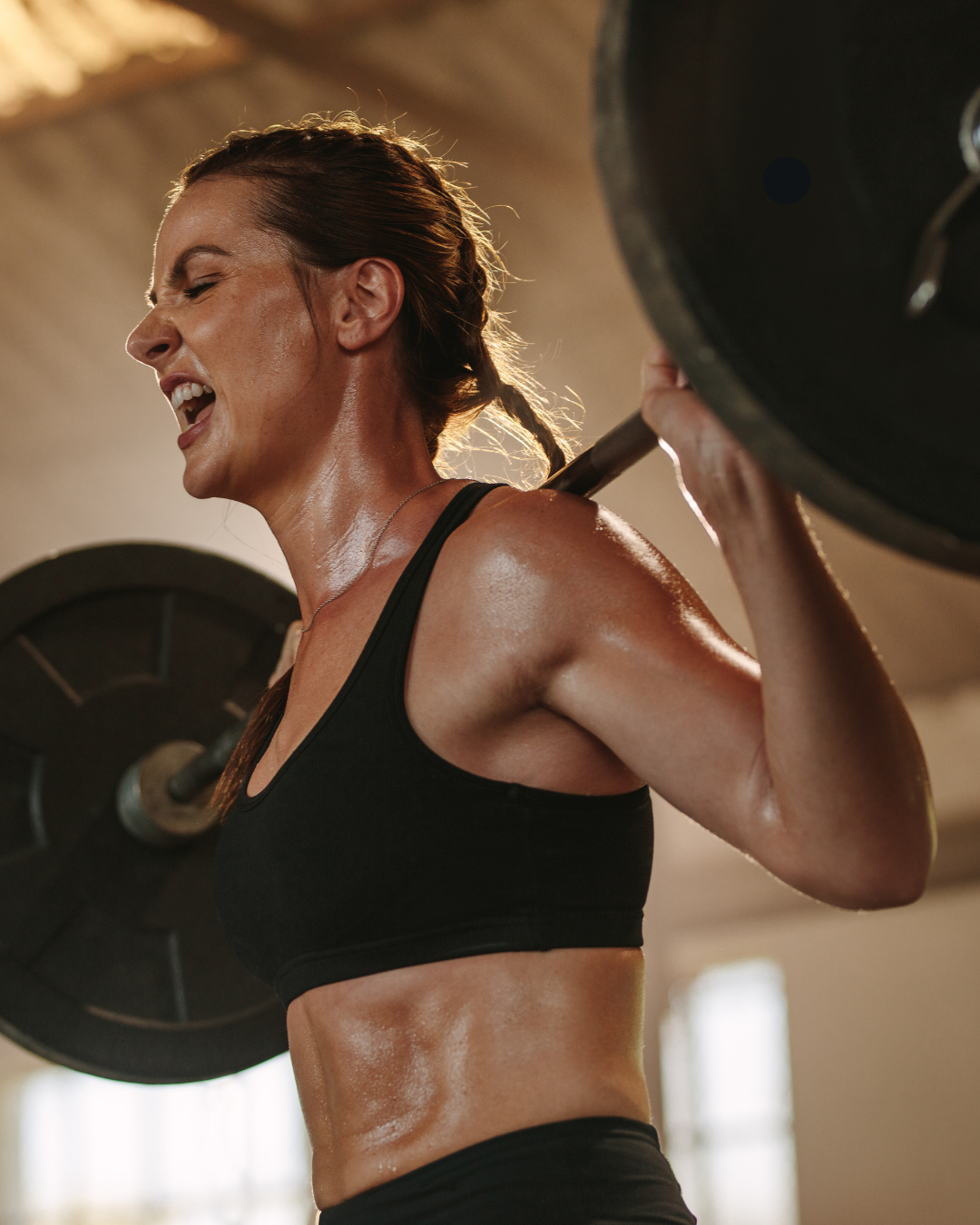
Build and maintain muscle:
Resistance training provides the stimulus your muscles need to adapt and grow.
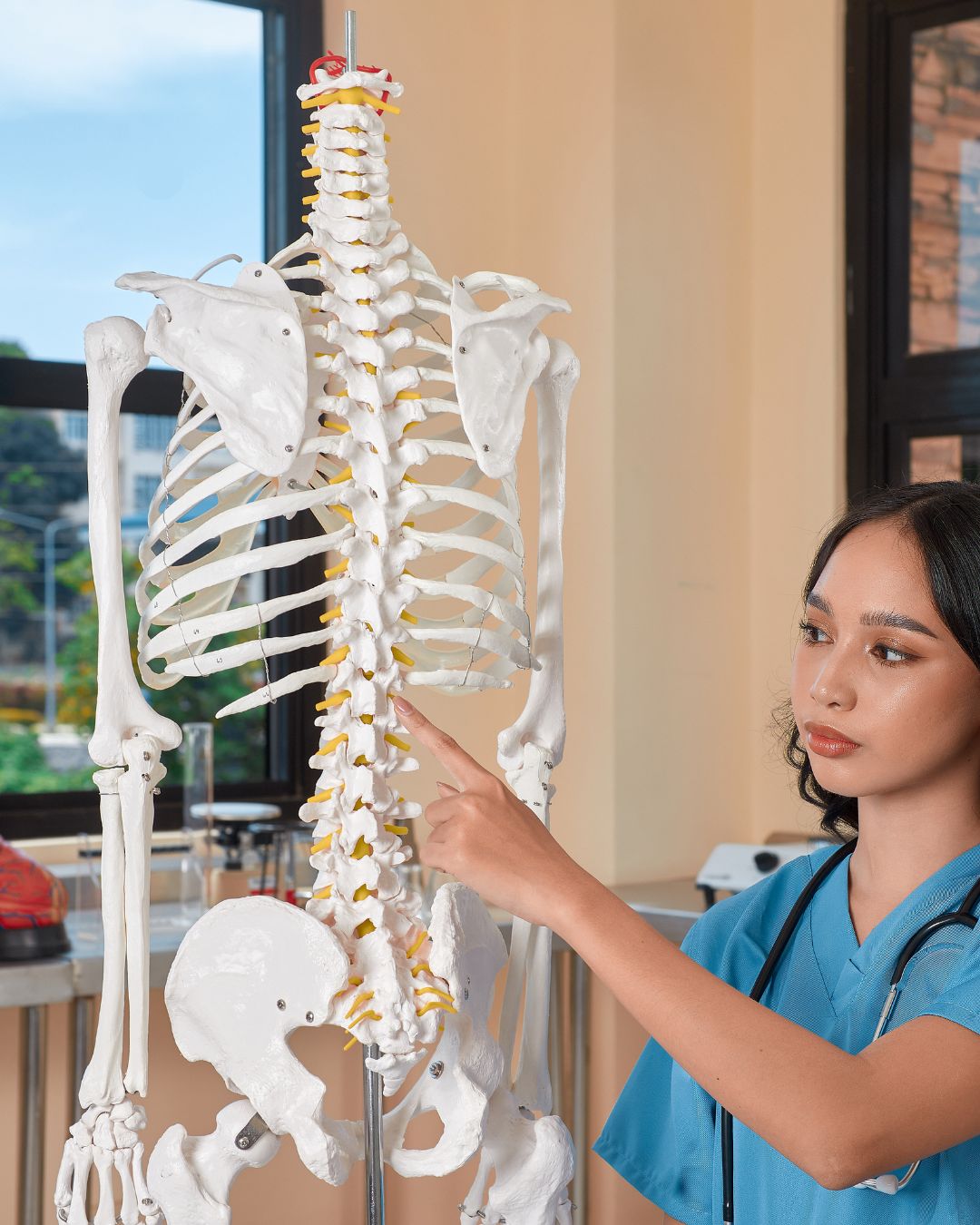
Support bone health:
Resistance training can help maintain or improve bone mineral density, although the effects depend on the training programme and individual circumstances

Improve strength:
Getting stronger makes everyday activities such as lifting, carrying and climbing stairs easier.
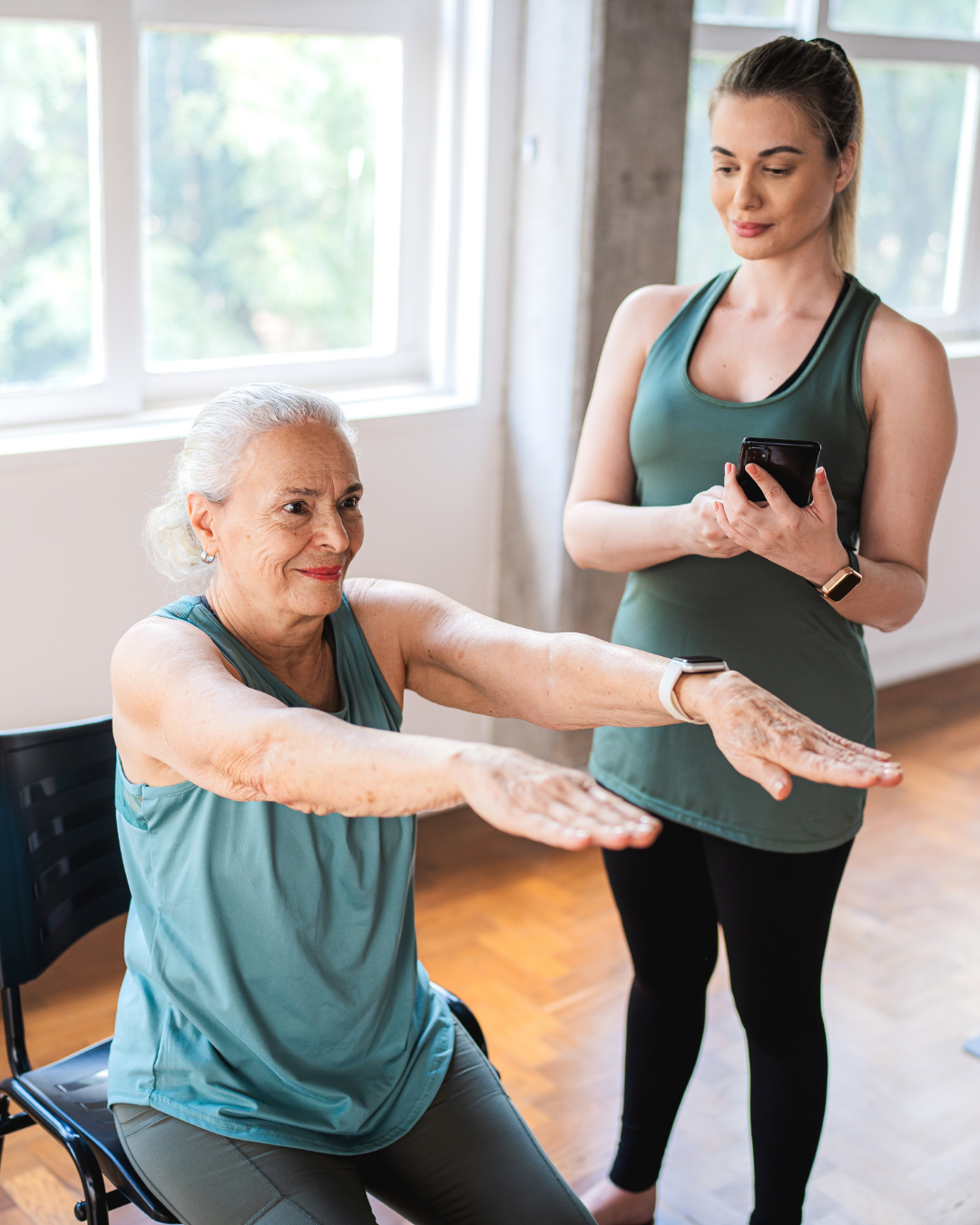
Maintain physical function:
Improving muscular strength supports mobility and your ability to remain independent as you age.
WHAT DOES THE RESEARCH SHOW?
Research involving postmenopausal women shows that resistance training can improve muscular strength and increase muscle mass.
A 2023 systematic review and meta-analysis involving 101 studies and 5,697 postmenopausal women found that exercise training improved several measures of muscle size and body composition. Resistance training was particularly effective for improving muscle-related outcomes.
More recently, a 2026 systematic review and meta-analysis involving 4,019 women found significant improvements in muscular strength in both premenopausal and postmenopausal women, with no statistically significant difference between the two groups.
This doesn't mean every woman will achieve the same results or that hormonal changes have no influence on training adaptations. It does show that menopause is not a reason to assume your ability to build muscle and strength has disappeared.
You don't need to stop lifting challenging weights because you've reached perimenopause or menopause. Training should be appropriate for your experience, ability and health, with progression based on how you're responding rather than your menopausal status alone.